
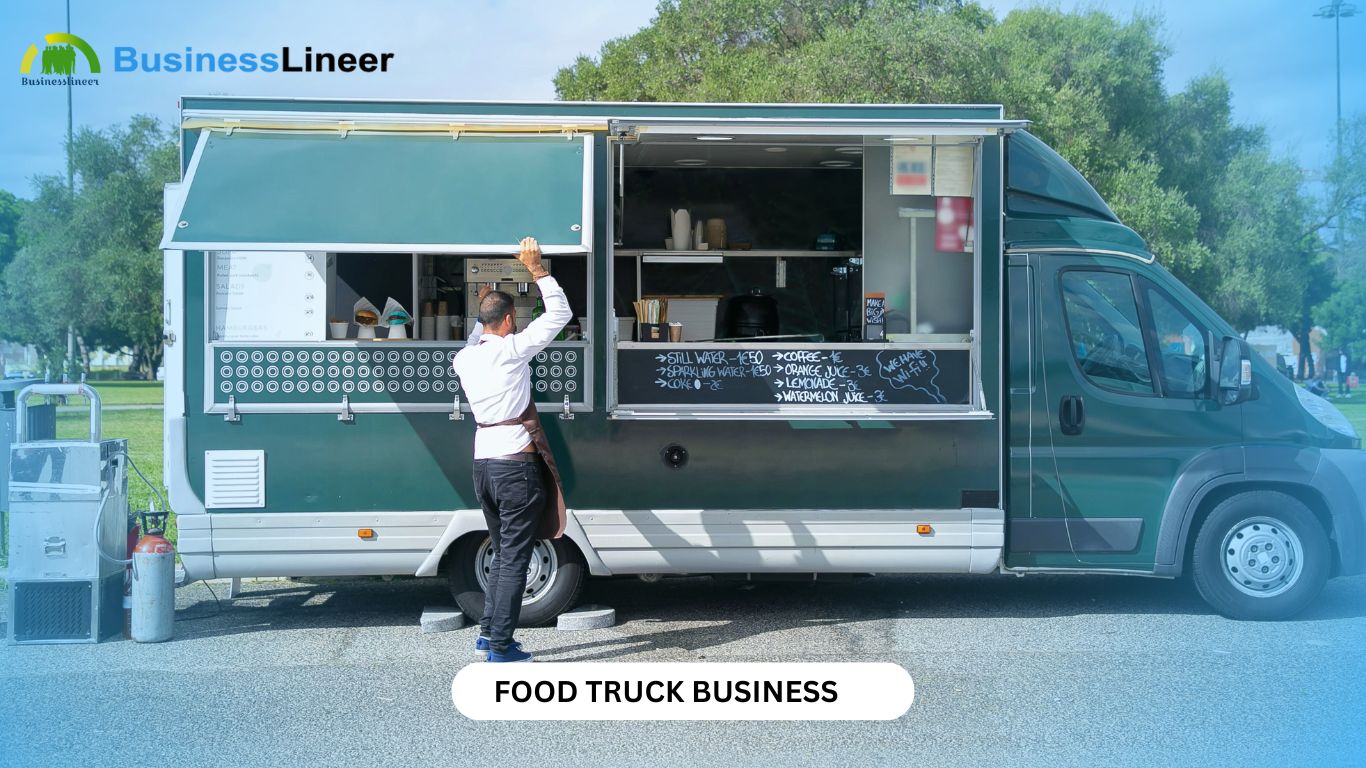
The food truck and street food scene has come a long way from its modest origins, evolving into a vibrant culinary force. What was synonymous with quick, budget-friendly bites has now transformed into a showcase for gourmet dishes, fusion flavors, and Instagram-ready creations. The U.S. food truck market is expected to grow at a rate of 6.3% CAGR through 2030 (IBISWorld), fueled by a growing appetite for convenience, affordability, and unique dining experiences.
Why Choose a Food Truck?
Food trucks present an enticing alternative to traditional restaurants, particularly for aspiring entrepreneurs or chefs eager to make their mark in the industry. Here’s why they stand out:
- Lower Startup Costs: Starting a food truck is much more budget-friendly than opening a brick-and-mortar restaurant. While traditional establishments can set you back $275,000 or more, food trucks usually require an investment of between $50,000 and $200,000.
- Flexibility: Food trucks can easily move to bustling spots like festivals, events, or busy urban areas. Owners also have the freedom to tweak their menus based on seasonal ingredients or customer preferences.
- Creative Freedom: Food trucks are perfect for experimenting with unique and niche culinary concepts, such as vegan sushi or keto-friendly desserts, without the burden of long-term leases.
Post-Pandemic Trends:
- Contactless Payments: A 2023 report from Square reveals that 72% of customers now prefer mobile ordering, making food trucks perfectly positioned to cater to this trend.
- Outdoor Dining Preference: The National Restaurant Association indicates that 65% of diners feel more at ease eating in outdoor or open-air settings—an environment where food trucks naturally excel.
Market Research & Concept Development
Kicking off a successful food truck venture starts with some savvy research and a solid concept. Here’s a straightforward guide to help you craft a winning idea:
Step 1: Analyze Local Demand
Getting a grip on your local market is crucial for spotting the right opportunity.
Gap Identification:
- Leverage Google Trends to find rising search terms (for instance, searches for “vegan tacos near me” have jumped by 40% year-over-year).
- Conduct social media polls to ask locals what type of food they feel is missing in the area.
Check out existing food trucks and take note of:
- Peak hours (Are they busiest during lunch, dinner, or late-night?).
- Pricing structures (e.g., 12 gourmet burgers vs. 8 street tacos).
Case Study:
The Spice Route, a Seattle food truck, identified a local gap in South Asian street food. It launched with a focused menu featuring $10 masala fries and mango lassi, quickly winning over students and office workers.
Step 2: Define Your Niche
Make your mark with a clear and unique concept:
- Cuisine Fusion: Mix different culinary styles (think sushi burritos or kimchi pizza).
- Dietary Focus: Cater to specific needs like vegan, gluten-free, or halal options.
- Experience-Driven Concepts: Create an immersive brand experience (like The Wizard’s Brew, a fantasy-themed coffee and pastry truck).
Pro Tip:
Try out your concept by setting up a pop-up stall at a local farmer’s market. Track which dishes sell out to fine-tune your final menu.
Step 3: Competitor Analysis
Get to know your competition with a SWOT analysis:
- Strengths: What are competitors excelling at? (Popular menu items, loyal customers).
- Weaknesses: Identify areas where they could improve (Limited hours, slow service, high prices).
- Opportunities: Look for untapped locations like college campuses or corporate zones.
- Threats: Avoid external challenges like permit regulations or rising ingredient costs.
Legal Requirements & Permits
Before you hit the road with your food truck, there are a few legal and safety hoops to jump through. Let’s break down what you need to know:
Step 1: Licenses and Permits
To operate your food truck legally, you’ll need a handful of permits, which can differ based on where you are.
Health Department Certification:
- You’ll need to pass a commercial kitchen inspection and complete food handler training.
- Typical cost: $100–$500.
- For instance, in Texas, food truck operators must secure a Mobile Food Unit Permit, which runs about $1,200 each year.
Parking Permits:
- It’s important to check local zoning laws to see where you can set up shop.
- For example, in San Francisco, vendors can’t park within 1,500 feet of schools during lunch hours.
Fire Safety Certificate:
- This is a must if your truck uses open flames or deep fryers.
- Local fire departments will come by to inspect and ensure everything’s up to code.
Hidden Costs to Consider:
- Commissary Kitchen Rental: You might need to rent a shared kitchen space for food prep and storage.
- Estimated cost: $500–$1,500 per month.
- Waste Disposal Fees:
- Regular grease trap cleaning and waste management can set you back about $200 a month.
Step 2: Insurance
Having insurance is crucial for protecting your business and meeting legal obligations.
General Liability Insurance:
- This covers things like customer injuries or property damage.
- Typical cost: $2,000–$3,500 per year.
Commercial Auto Insurance:
- This protects your food truck in case of accidents or theft.
- Expected cost: $1,200–$2,400 per year.
Financial Planning
Start-up Cost Breakdown :
| Expense | Cost Range | Details |
| Food Truck | 20k–20k–150k | Used trucks start at 20k;custombuildshit20k;custombuildshit150k. |
| Kitchen Equipment | 10k–10k–30k | Grill (3k–3k–7k), fryer (1k–1k–3k), refrigeration (2k–2k–5k). |
| Permits/Licenses | 2k–2k–5k | Varies by state (e.g., NYC: $3k/year). |
| Initial Inventory | 1k–1k–3k | Social media ads, logo design, and website. |
| Marketing | 500–500–2k | Social media ads, logo design, website. |
Funding Strategies
- Small Business Loans: The SBA 7(a) loans can provide you with up to $5 million, with interest rates ranging from 6% to 8%.
- Crowdfunding: Consider pre-selling menu items, like offering a deal where customers can “Donate $50 and get 10 free tacos.”
- Investors: You might attract investors by offering a 15% equity stake in exchange for $50,000 to help fund a second food truck.
Break-Even Analysis
Assumptions:
- Daily sales: $800
- Fixed monthly costs: $6,000 (this includes loan payments, permits, and insurance).
- Variable costs: 30% of revenue (covering food, fuel, and labor).
Formula:
Break-even = Fixed Costs / (Daily Revenue × 30 – Variable Costs)
So, it works out to 6,000 / (6,000 / (800 × 30 – $7,200)) = about 2.5 months.
Operations & Equipment
Running a food truck smoothly is all about making smart choices when it comes to your setup, having the right gear, and keeping your daily operations flowing effortlessly. Here’s what you need to think about:
Choosing Your Setup
- Food Truck: This is the way to go if you have a larger, more intricate menu (think BBQ with a variety of sides).
- Cart or Trailer: A more wallet-friendly choice, usually ranging from $5,000 to $20,000, but it’s best for serving just 2–3 items (perfect for hot dogs or churls).
Essential Equipment
1. Cooking Appliances
- Flat-top grill: Perfect for whipping up burgers, tacos, and more.
- Cost: $3,000–$7,000
- Convection oven: Great for baking or roasting.
- Cost: $2,000–$4,000
2. Storage
- 3-compartment sink: A must-have for washing, rinsing, and sanitizing your utensils.
- Cost: $1,000–$2,000
- Refrigerated display case: Keeps your ingredients fresh and easy to see.
- Cost: $2,000–$5,000
3. Tech Tools
- POS system: Consider tools like Square or Toast for quick and reliable checkouts.
- Cost: $50–$200/month
- GPS Tracker: A handy tool for optimizing your routes and getting real-time location updates.
- Cost: $30/month
Daily Workflow Example
- 6:00 AM: Grab supplies from the commissary kitchen.
- 7:00 AM: Set up at a pre-scouted spot (like a downtown office park).
- 11:00 AM–2:00 PM: Serve during the lunch rush — prioritize speed, accuracy, and consistency.
- 3:00 PM: Restock your inventory and head to a second location (like a sports arena or evening event).
Staffing Needs
- Cooks: Bring on 1–2 team members at $15–$20/hour.
- Cashier/Server: Hire at $12–$15/hour.
- Tip: Cross-train your staff to manage cooking, cleaning, and customer service during busy times for the best efficiency.
Menu Design & Food Safety
Creating a menu that’s both profitable and safe is crucial for your food truck’s success. Here’s how to strike the right balance between creativity, cost-effectiveness, and keeping your customers healthy:
Profit-Driven Menu Engineering
Boost your earnings by concentrating on high-margin items and limited-time offers.
High-Margin Items:
- Loaded Fries: They cost about $2.50 to make, but you can sell them for $9 – that’s a whopping 260% markup!
- Specialty Drinks: A cold brew coffee might only set you back $0.50 to prepare, yet you can sell it for $4 or even more.
LTOs (Limited-Time Offers):
Seasonal and trendy items can create a sense of urgency and excitement. Think about:
- Pumpkin Spice Churros (October)
- Watermelon Agua Fresca (Summer)
Pricing Strategy
- Try the Cost Multiplier Method: Multiply the ingredient cost by 3.
- Example: If a burger costs $3 to make, it should be priced at $9.
- Combo Meals: Promote bundle deals to boost the average order value.
- Example: Taco + Drink = $12, compared to $14 if bought separately.
Food Safety Protocols
Make sure your food is stored, cooked, and served safely:
1. Storage
- Keep raw meat below 40°F in sealed, separate containers to avoid cross-contamination.
2. Cooking
- Use a digital thermometer to check temperatures.
- Example: Chicken needs to reach an internal temperature of 165°F to be safe to eat.
3. Allergen Management
- Clearly label dishes that may contain allergens (e.g., “Contains shellfish”).
- Train your staff to confidently address customer inquiries about allergens.
Certification Requirement:
All employees should complete the ServSafe Food Handler course.
Cost: Approximately $15 per person.
Marketing & Branding
Creating a strong brand and a clever marketing strategy can make your food truck stand out, turning those first-time visitors into devoted fans. Here’s how to create some buzz and keep your truck at the forefront of their minds:
Build a Memorable Brand
Name & Logo:
- Pick a catchy, descriptive name that captures the essence of your concept.
- Example: “The Meltdown” for a truck specializing in grilled cheese.
- Consider hiring a designer from platforms like Fiverr to whip up a unique logo.
- Typical cost: around $100–$300 for a professional retro or minimalist design.
Visual Identity:
- Maintain consistent colors, fonts, and design elements across all your branding materials: truck wrap, packaging, uniforms, social media, and signage.
Social Media Mastery
Content Ideas:
- Behind-the-Scenes Reels: Create short, energetic videos showcasing food prep — for instance, making 100 tacos in just 60 seconds.
- Customer Spotlights: Share user-generated content featuring happy customers enjoying their meals.
- Polls and Engagement Posts: Get your followers involved by asking for their opinions (e.g., “Should we add vegan mac ‘n’ cheese? YES/NO”).
Geotagging:
- Use popular local hashtags like #DTLAEats in your posts to draw in nearby customers and boost your visibility.
Case Study:
Burrito Bandits, a food truck based in Denver, collaborated with a local fitness influencer to launch a “Post-Workout Burrito Bowl.” This campaign helped them gain over 5,000 new followers in just one month.
Loyalty Programs
- Digital Punch Cards: Use apps like LoyaltyLion to reward your regulars.
- Example: “Buy 9 tacos, get the 10th one free.”
VIP Events:
Host exclusive tastings of new dishes for your most loyal customers. This not only builds brand loyalty but also sparks word-of-mouth marketing.
Challenges & Solutions
Running a food truck comes with its own set of challenges. To thrive in this business, it’s crucial to be ready for the unexpected with some smart planning.
Common Challenges
1. Weather Dependency
- When the weather turns bad—think rain or snow—it can cut your sales by as much as 50%.
2. Permit Delays
- Getting city and county permits can be a lengthy process, often taking 4 to 6 months, which can slow down your launch.
3. Equipment Breakdowns
If your generator fails or your freezer breaks down, you might have to halt operations and risk losing inventory.
Proactive Solutions
Weatherproofing:
- Consider investing in a pop-up tent ($200–$500) to keep your customers and staff dry during light rain. Plus, promoting delivery options through services like Uber Eats can help keep the cash flow steady.
Backup Location:
- Team up with a local café or commercial kitchen so you can operate indoors when the weather gets extreme.
Emergency Fund:
- Make it a habit to set aside 10% of your profits each month to cover unexpected repairs or equipment replacements.
Real-World Example:
- Take Taco Takedown in Chicago, for instance. They faced a costly freezer failure that set them back $3,000 in lost inventory. Since then, they’ve been smart about maintaining a $5,000 emergency fund to avoid similar disruptions in the future.
Growth & Expansion
Once your food truck is up and running smoothly, there are plenty of exciting ways to grow your brand and boost your earnings. Here’s how to elevate your mobile kitchen to new heights:
Scaling Strategies
1. Franchising
- Consider licensing your brand and business model to other operators.
- For instance, Kogi BBQ expanded to five trucks by offering franchises, each with a $25,000 fee.
2. Catering Services
- Why not offer private catering for weddings, birthdays, and corporate events?
- Typical rates can range from $500 to $2,000 per event, with menus tailored to fit client preferences.
3. Brick-and-Mortar Expansion
- You can use the profits from your food truck to kickstart a small restaurant or café.
- The average startup cost is around $275,000.
Case Study:
The Halal Guys started as a single food cart in New York City and now boasts over 100 locations worldwide, both franchise and corporate-owned.
Diversification Opportunities
- Retail Products: Think about bottling and selling your signature sauces, spice blends, or drink mixes online or at local markets.
- Cooking Classes: Host monthly workshops (like Taco-Making Night) to connect with your community and earn some extra cash.
- Suggested price: $50 per person.
Future Trends
As the food truck industry continues to change, keeping an eye on new trends can help you stay ahead of the game and keep things fresh. Here are some important developments that are shaping what’s next:
1. AI Integration
- Chatbots for Pre-Orders: Imagine using AI-driven voice assistants and chatbots to let your customers place orders without lifting a finger. For instance, they could say, “Hey Google, order my usual from Taco Tornado.”
- Predictive Analytics: Harness the power of data to predict what your customers will want and manage your inventory accordingly. For example, “Sales jump by 30% on rainy days — better stock up on soups and comfort foods.”
2. Sustainability
- Compostable Packaging: Make the switch to plant-based containers from eco-friendly suppliers like Eco-Products to cut down on waste and attract environmentally conscious customers.
- Solar-Powered Trucks: Consider adding rooftop solar panels to your trucks to save on energy costs and reduce your carbon footprint. The investment typically ranges from $5,000 to $10,000.
3. Ghost Kitchens
Take advantage of commissary or ghost kitchens to handle delivery-only orders through services like DoorDash and Uber Eats, all without needing to drive your truck. This is especially handy during off-peak hours or when the weather isn’t cooperating.
Overall, starting a food truck business takes a lot of determination, creativity, and careful planning, but the benefits – like financial freedom, making a difference in your community, and expressing your culinary flair – are huge. Begin with a small idea, test it out, and grow it wisely. Whether you envision just one truck or an entire fleet, your journey to success kicks off with that very first step.
