
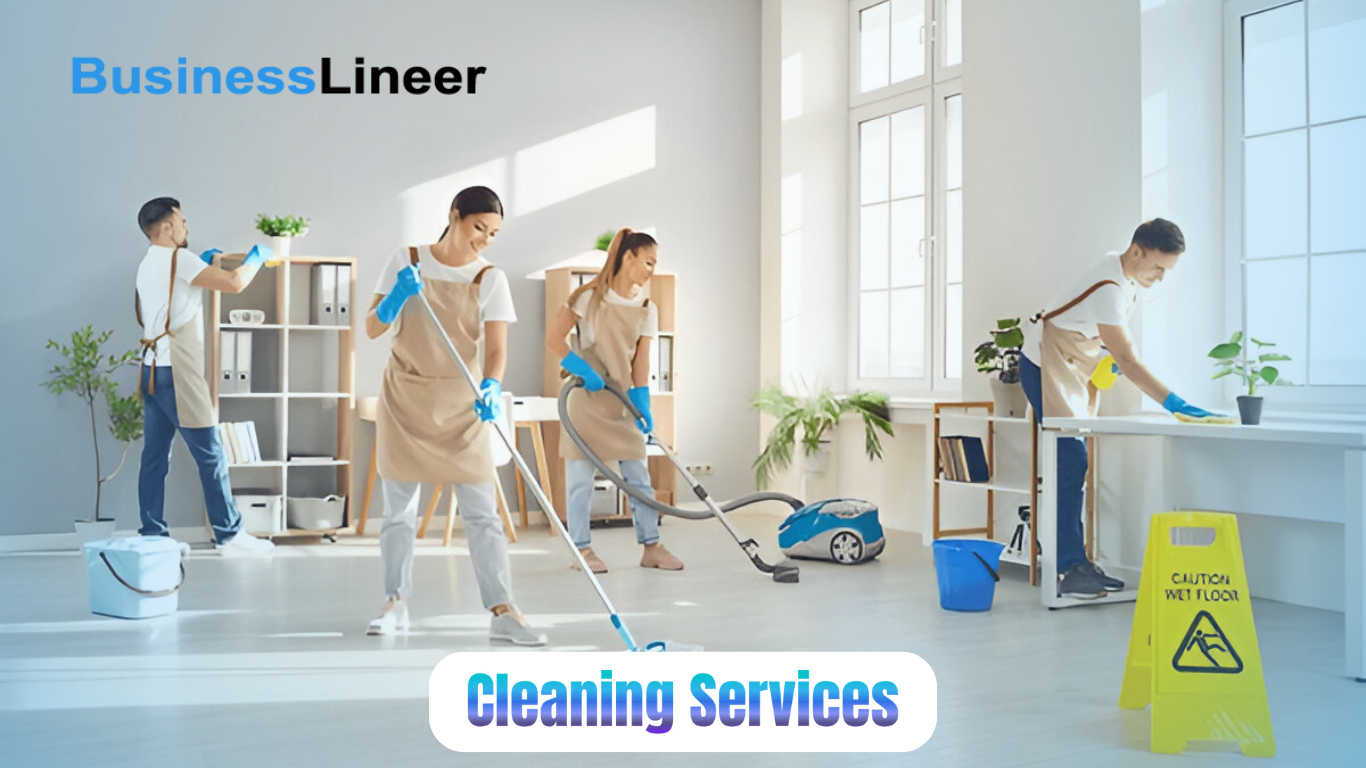
The market for cleaning services is incredibly robust and expanding quickly. Experts predict that global revenue, around $74.3 billion in 2023, will increase to $111.8 billion by 2030, or a compound annual growth rate (CAGR) of 6.2 percent. Rapid urbanization, increased awareness of hygiene brought on by the COVID-19 pandemic, and busy households’ and organizations’ constant desire for convenience are some of the main drivers.
Low entry barriers, flexible scaling options, and consistent, recurring revenue streams are just a few alluring benefits of starting a cleaning business. However, you need to combine sound market research, clearly defined services, operational discipline, and targeted marketing to carve out a lucrative niche and achieve sustainable growth. From initial planning to scaling up, this in-depth post will walk you through every step, offering advice, budget estimates, and real-world examples as you go.
Being Aware of the Industry Environment
1 The Dynamics of the Market
- Recession Resistance: Despite economic downturns, cleaning is still a necessary service. Businesses cannot cut corners on safety and cleanliness, and residential clients still require gleaming homes.
- Pandemic Aftershocks: Stricter sanitation and disinfection guidelines are now expected. Customers want tangible proof of hygiene practices, such as EPA-approved goods, electrostatic sprayers, and written checklists.
- Urban Growth & Busy Lifestyles: People are outsourcing household chores as more of them relocate to cities and work longer hours. Similarly, companies—from retail stores to offices—prioritize expert cleaning to preserve customer trust and brand reputation.
2 New Developments
Green cleaning services are preferred by more than two-thirds of customers. Utilizing washable microfiber materials and providing plant-based, biodegradable products (like Seventh Generation cleaners) lessens the impact on the environment. In addition to confirming your claims, certifications such as EcoLogo or Green Seal let you charge a 15–20% premium.
- Tech Integration: To automate scheduling, invoicing, GPS route tracking, and client communications, contemporary cleaning businesses use software platforms like Jobber and Housecall Pro. Smart vacuums and dispensers with sensors are examples of IoT devices that increase productivity and facilitate data-driven decision-making.
Beyond regular cleaning, specialized sanitization—using UV-C light, thermal fogging, or disinfectants approved by the CDC or EPA—has grown in value, particularly in the food service, healthcare, and senior living industries.
Finding and Focusing on Lucrative Niches
1 Fundamental Sections
- Cleaning for homes: Perfect for recurring business. Offers should be customized for seniors, rental property owners, and dual-income families. Cash flow is predictable with weekly or biweekly plans.
- Commercial Cleaning: This market is distinguished by larger ticket sizes and official contracts. Daily or overnight services are frequently needed by workplaces, educational institutions, fitness centers, and medical facilities; monthly contracts can cost anywhere from a few hundred to thousands of dollars.
2 Niches with High Margin
- Post-Construction Cleanup: Rather than cleaning up after themselves, contractors concentrate on building quality. Collaborate with builders to manage final inspections, surface polishing, and dust removal—often at a premium cost.
- Turnovers for short-term rentals: Websites such as Airbnb require prompt, spotless guest turnovers. Providing prompt, dependable service enhances your reputation and can lead to surge pricing.
- Biohazard Remediation: Strict PPE guidelines, extensive insurance, and specialized OSHA training are necessary for crime scene cleanup or hoarding interventions. Per-job fees are high, but entry-level costs are high.
Developing a Sturdy Business Plan
1 Legal Structure & Setup Costs
| Entity Type | Pros | Cons | Estimated Setup Cost |
| Sole Proprietorship | Simplest, low fees | Unlimited personal liability | $500 1,00000 |
| Limited Liability Co. | Personal asset protection, tax flex. | More paperwork, annual fees | $ 20,000–$100 000 |
| Franchise | Brand recognition, training support | High initial investment, royalties | $ 20,000–$ 100,000 |
2. Outlining Your Menu of Services
Basic cleaning includes sanitizing the bathroom, dusting, vacuuming, and mopping. Typical residential rates range from $25 to $50 per hour.
High-end services:
- Deep cleaning (such as grout scrubbing and oven degreasing): $200 to $500 per house
- Carpet cleaning costs between $0.25 and $0.50 per square foot.
- Window washing costs between $3 and $7 per window.
- $150 to $500 for each exterior pressure washing job
- Green Cleaning Package: 15–20% premium for only environmentally friendly goods and procedures.
3 Pricing & Financial Forecasts
Breakdown of Startup Costs:
- Supplies and Equipment: $ 1,000–$ 3,000
- Insurance/licensing: $500–$1,500
- $500–$2,000 for initial marketing
- Total: $2,000–$6,500
Revenue Objectives: To reach $50,000–$100,000 in Year 1 revenue, acquire at least 10–20 repeat residential clients. Aim for a combination of occasional deep cleaning projects and small-scale daily cleanings ($500–$1,000/month) for commercial contracts.
Handling Legal, Licensing, and Insurance Needs
1. Necessary Licenses and Certifications
- Business license fees range from $50 to $200 in the majority of local jurisdictions.
- When handling regulated disinfectants, EPA certification is required.
- Any biohazard or hazardous waste cleanup requires OSHA training.
2 Essential Coverage for Insurance
- General Liability: Offers protection against claims of injury or property damage ($500–$1,000 annually).
- Workers’ compensation is required by law when you hire employees; it costs about $2 to $3 for every $100 of payroll.
- Surety bonds, which range from $200 to $500 per year, reassure clients, particularly those with government or educational contracts.
Technology Stack & Operational Setup
1 Essential Supplies & Equipment
- Vacuum with HEPA filter: $200–$500
- Cloths & Microfiber Mops: $50–$100
- Green Cleaning Products: $5 to $15 per bottle
- PPE & Safety Equipment: Goggles, masks, and gloves
- Specialty Tools: portable steam cleaners and extension poles (between $150 and $300)
2 Technology-Based Efficiency Tools
- CRM & Scheduling Software: Automate reservations, reminders, and billing with Housecall Pro or ZenMaid.
- Route Optimization: Fuel expenses can be reduced by up to 20% with Route4Me or Circuit.
- Accounting & Payroll: To track income, expenses, and taxes, use QuickBooks Self-Employed ($15/month).
Hiring, Educating, and Leading Your Staff
1 Models of Staffing
- Subcontractors: Adaptable, compensate 60–70% of project income, and don’t need benefits.
- Workers: Give them $12–$20 per hour with the possibility of bonuses; this gives them more control over schedule and quality.
2 Crucial Elements of Training
- Safety procedures include PPE laws, ladder safety, and the appropriate use of chemicals.
- Customer service skills: Use role-playing to address grievances and promote more expensive services.
- Advanced Certifications: To increase service offerings, sponsor staff members to enroll in IICRC courses in mold remediation or carpet cleaning, which cost between $500 and $1,000.
Gaining Customers: Promotion & Brand Establishment
1 Building Your Identity
- For a polished appearance, use tools such as Canva for your logo and visual identity.
- Turn service vehicles and employee clothing into mobile ads with vehicle wraps and uniforms ($2,000–$4,000 for wraps).
2 Local & Digital Promotion
- SEO & Web Presence: Use relevant keywords to enhance your website and Google My Business listing (“best house cleaning in [City]”).
- Social Media Campaigns: To highlight outcomes, share captivating before-and-after pictures or quick reels on Instagram and TikTok.
- Online Reviews & Referrals: Provide $25 referral bonuses and loyalty benefits (like a free 10th clean) to entice customers to write positive customer reviews.
3 Strategic Alliances
- Move-in/move-out cleaning services are offered by realtors and property managers for $200 to $400 per job.
- Local Companies: Provide small offices, gyms, and apartment complexes with bulk discounts.
Daily Management Procedures
- Automated Reminders: Use email or SMS alerts to cut down on no-shows by as much as 30%.
- Inventory controls: Use a spreadsheet or a basic app (like Sortly) to keep track of supply levels; place new orders when stock falls below 20%.
- Customer Feedback Loop: To promote goodwill, address concerns within four hours, and offer discounts later.
Strategies for Long-Term Growth and Scaling
- Service Expansion: To raise the average ticket size, include related services like pressure washing, carpet shampooing, and gutter cleaning.
- Geographic Expansion: After your home market is saturated, start running targeted Facebook or Nextdoor ads in nearby suburbs.
- Franchising Model: Package your operations manual and brand identity after three to five years of demonstrated profitability, then sell the franchise rights for $30,000 to $50,000 plus 6% recurring royalties.
Foreseeing and Overcoming Obstacles
There are challenges for even the best-run cleaning companies. You can keep things running smoothly and protect your profit margins by anticipating these problems in advance. Three of the most prevalent issues are listed below, along with practical solutions for each:
1 Making a Difference in a Congested Market
The Problem: Several cleaning companies vie for the same commercial and residential clients, which frequently results in lower prices. Prospects will select the lowest-priced bidder if you only use “standard” offerings.
Techniques for Making an Impression:
Extended Hours and Response to Emergencies:
- Provide genuine round-the-clock accessibility, including on weekends and holidays.
- Promote an “emergency clean” service for last-minute turnover requirements, spills, and water damage.
- For urgent calls, guarantee a two-hour response window.
Guarantee of Satisfaction:
- Implement a policy of “Love It or We’ll Re-Clean It Free.”
- To foster trust, promote your guarantee on your website and in promotional materials.
- In your CRM, keep track of any re-cleans and look for trends (e.g., certain jobs or teams that require extra oversight).
Niche Specialties:
- Allergen-Free Cleans: To target customers with asthma, allergies, or chemical sensitivities, use only hypoallergenic, fragrance-free products with HEPA filtration.
- Pet-Friendly Service: Avoid harsh chemicals that can irritate paws or lungs and use enzyme-based stain removers that are safe for pets.
- Cleanups for Assisted Living & Elder Care: Employees should receive training on gentle product usage, elder safety procedures, and memory care environment sensitivity.
Staking out one or more of these distinctive value propositions will draw customers who are prepared to pay more for services that are difficult to find elsewhere.
2 Controlling Expenses and Preserving Profits
- The Challenge: If you underprice your services, rising labor costs, fuel prices, and supply prices can quickly erode profits.
Techniques for Cost Control:
Buying in bulk and negotiating with suppliers:
- To get 15–20% off list prices, open accounts with wholesale distributors such as WebstaurantStore or Uline.
- To take advantage of volume discounts and save money on shipping, combine orders once a month instead of once a week.
- Every year, review your supplier agreements and use your past orders to bargain for better terms or free shipping.
Monitoring Inventory and Cutting Waste:
- Keep track of available supplies, consumption patterns, and reorder thresholds using a straightforward digital tool (such as Sortly or a shared spreadsheet).
- When stock drops below 20%, use “just-in-time“ reordering to prevent overbuying, which costs money.
- Crews should be trained to properly dilute concentrated solutions and to keep microfiber cloths until they are nearing the end of their useful lives rather than throwing them away too soon.
Effective Route Scheduling:
- Plan daily tasks in geographic clusters by integrating route-optimization software (Route4Me, Circuit).
- Try to keep your deadhead mileage (driving without a job) between appointments to no more than 10%.
- To reduce inefficient runs, review fuel consumption every month and modify vehicle assignments or routes.
Your bottom line will be protected even as prices change if you strictly regulate fuel consumption and supply costs and get rid of inefficient practices.
Managing Seasonal Variability
- The Problem: Demand for cleaning frequently peaks in the spring and early summer (spring cleaning, deep cleaning after holidays) and then declines in the late summer or around the holidays. These slow times can cause cash flow problems and underutilize your crews if they are not addressed.
Techniques for Mitigating Revenue Lulls:
Promotional packages with a theme:
- “Spring Refresh” (March-May): To take advantage of the seasonal uptick, combine a deep cleaning, window washing, and gutter clearing at a small discount.
- “Summer Spruce-Up” (June–August): To take advantage of the warmer weather, offer “outdoor focus” packages that include pressure washing, patio sweeping, and deck washing.
- “Holiday Deep Clean” (November–December): Offer pre-party and post-celebration services like upholstery cleaning and carpet shampooing.
Services Off-Season:
- Organizational Projects: Pitch closet organization, garage cleanups, or pantry makeovers are examples of indoor activities that can be done in the winter to avoid inclement weather.
- Maintenance contracts guarantee a minimum standard of work throughout the year by securing clients for visits every three or six months.
Rewards for Loyalty:
- To keep workers occupied and customers interested, provide “off-peak” discounts, such as 10% off jobs booked between January and February.
- During slow months, hold referral contests wherein both parties receive a complimentary add-on service (like window washing) for each new client they bring in.
Even during typical slowdowns, you can keep your team productive and maintain consistent revenue by varying your service offerings and scheduling promotions around the calendar.
Overall, A cleaning service business appeals to entrepreneurs because it combines low startup costs, steady recurring revenue, and robust market demand. You can create a brand that thrives on quality, dependability, and customer satisfaction by conducting in-depth market research, developing a unique service mix, making the appropriate technological investments, and carrying out targeted marketing. You’ll be well on your way to a prosperous, scalable cleaning business if you adhere to the detailed plan in this guide, maintain your flexibility, and keep improving your operations.
